
Let's get to work.
There's a lot to do, and time goes by faster than you think. I've spent twenty years and hundreds of weddings in the middle of the room, and I've always said a wedding is a movie production: it's expensive, everyone needs to know their role, and you only get one take. These are the lessons, in the order the decisions come up, with a tool at every point where you have to make one. All of it is free, and none of it is gated.
Decisions you make months out.
The first decisions are the ones everything else hangs on: the date, the room, the money, and the people you hire. Start here.
Beginning Your Production: Choosing the Time of Your Wedding
Never underestimate the significance of the day, time, and length of your wedding reception.

Choosing the Location of Your Wedding
The location you choose for your wedding ceremony and reception will set the stage for your entire experience.
Every Guest Gets to the Dance Floor
Walk the venue as your least mobile guest, ask people what they need, and tell your DJ. Most of this gets decided at the site visit.
Prioritizing Your Wedding Budget
Think about your priorities and what you really want from your reception, and craft your budget accordingly.
Responsibilities of Producer/Coordinator
It's a big job. Be sure to get someone that has experience and is up for the task.
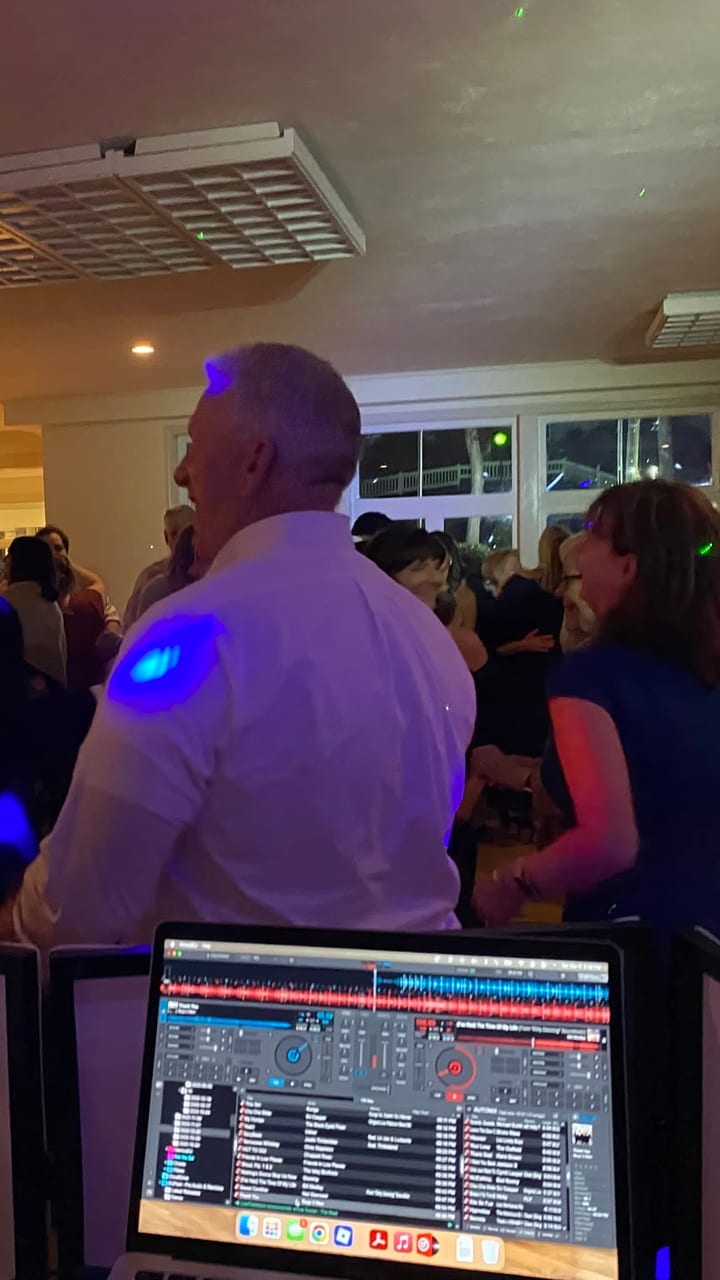
Choosing the Photographer/Videographer
There are no 'take 2s'. Choosing a videographer and photographer to capture your magical moments can be a challenge.
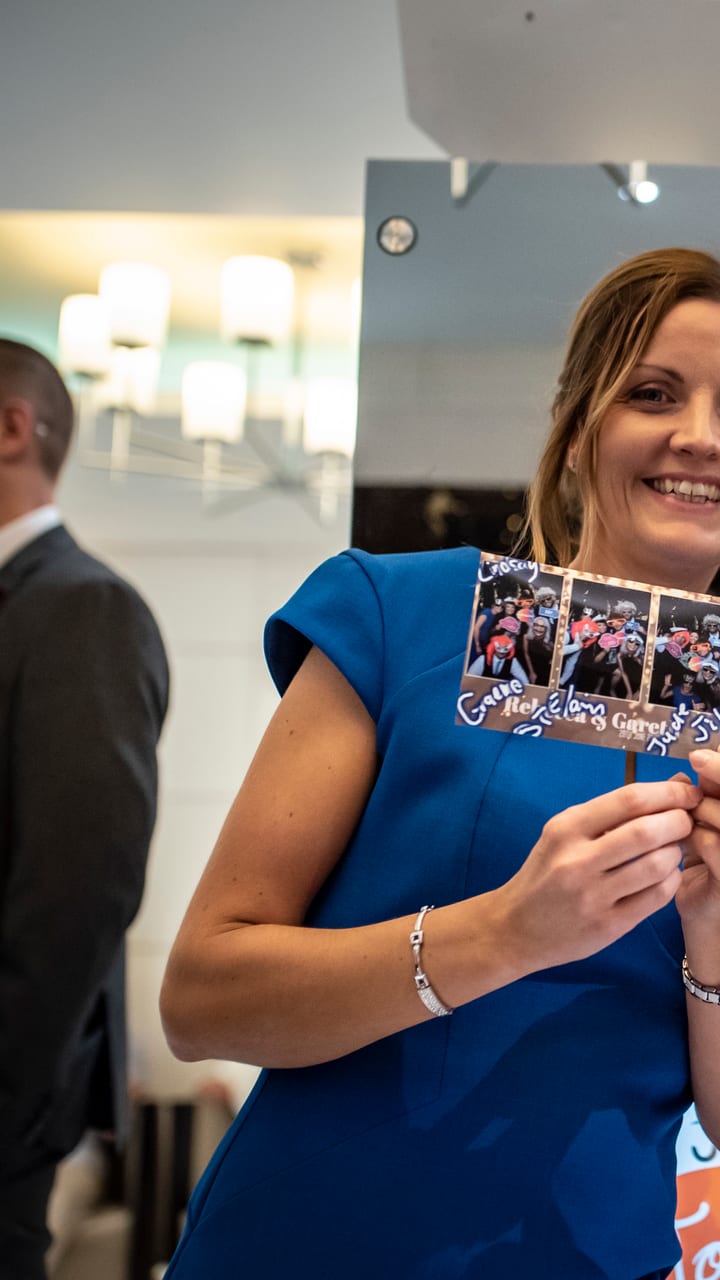
Sharing the Night While It Is Still the Night
A content creator and a videographer do two different jobs on two different clocks. Here is what each one does, and how to plan what gets shared the same night.
Finding Your Wedding Talent
Experience is the name of the game. Take the time to find out who has it, and who does not.
How a day gets built.
Let's explore the science of creating a wedding agenda that keeps your guests informed, involved, and entertained.
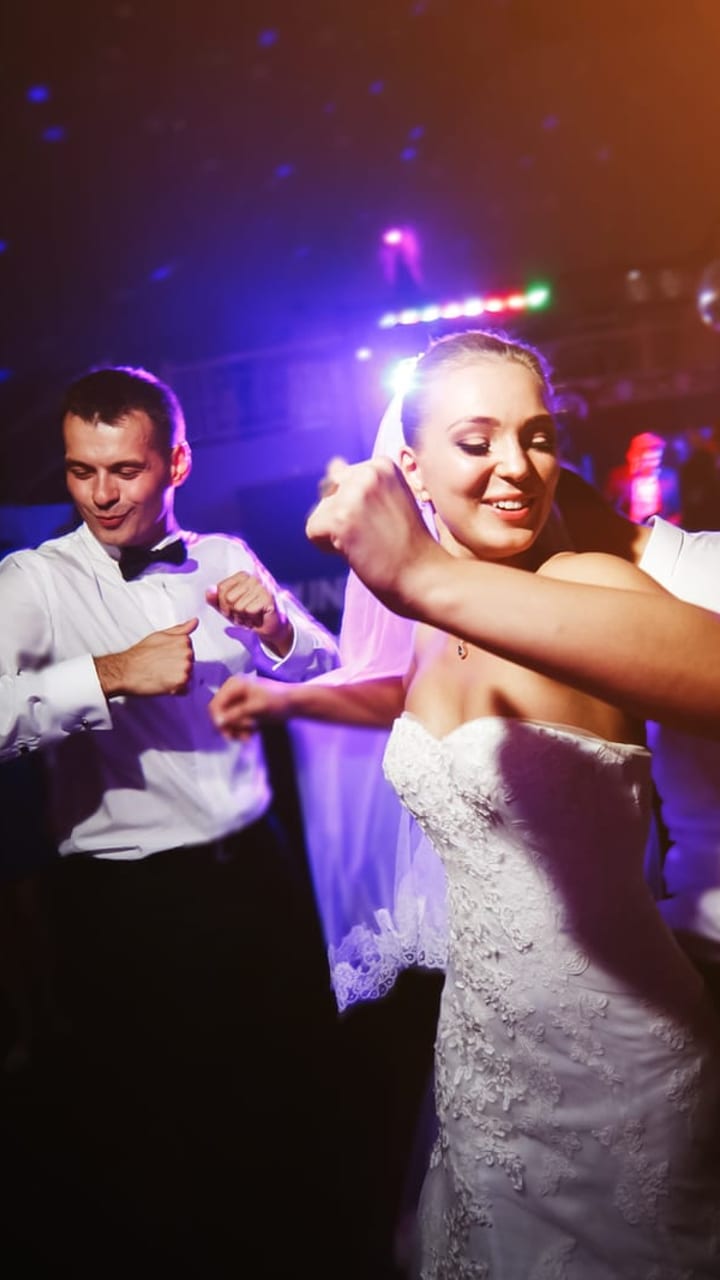
Choosing and Setting the Pace
Relaxed, fast, or a slow build to a packed floor: how the pace of your reception gets decided, and what decides it for you if you don't.
Schedule For Success
The order of a reception and how long every piece takes, with the math I use to build a night that keeps guests informed, involved, and entertained.
Four Clocks: 2, 4, 5, and 6 O'Clock Ceremonies
What a two, four, five, or six o'clock ceremony does to the rest of the night, and where the sun sets on it, for a Massachusetts wedding.
Having a 'Plan B'
Most of what goes wrong at a wedding is predictable: weather, delays, a missing provider, a dead outlet, someone sick. Decide the call before the day.
The Rain Call
When to decide the ceremony moves indoors, who gets to decide it, and everything that moves with it.
Choosing Your Events
Nothing at a reception is required. Here is every tradition, what each one costs you in minutes, and the questions to answer before you keep it.
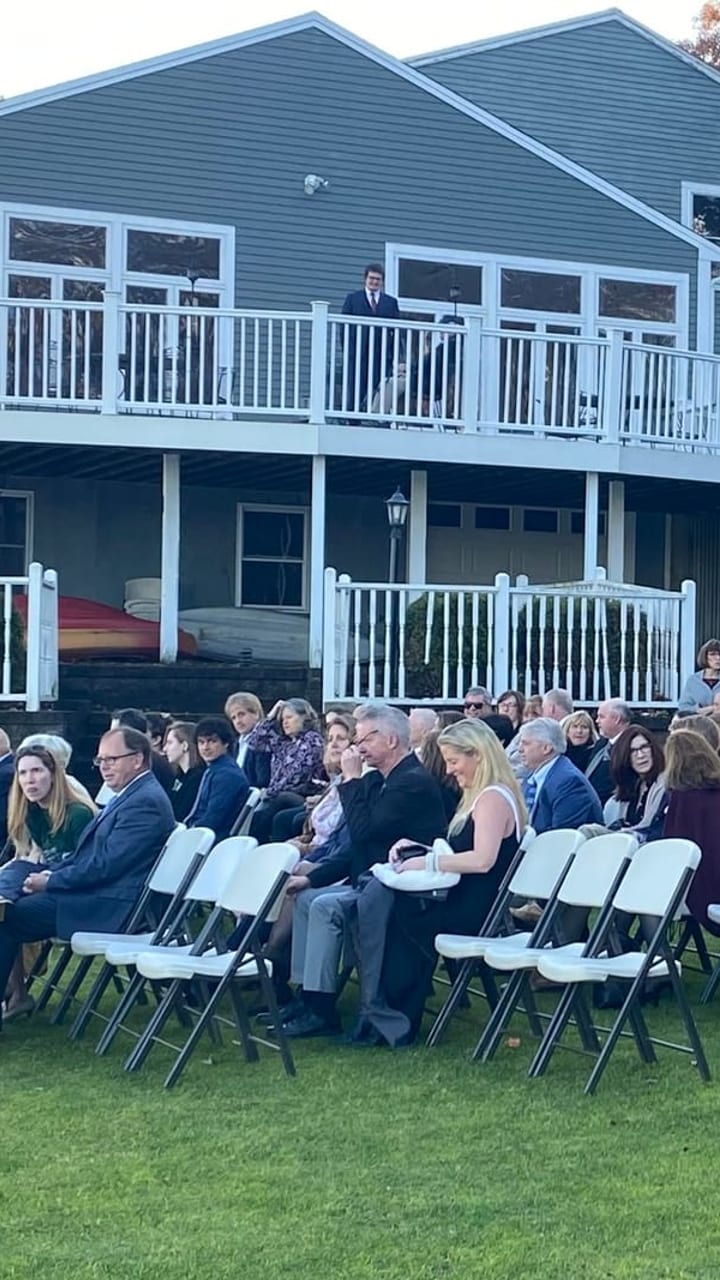
A Wedding Without a Wedding Party
No attendants, no problem: what changes about the processional, the entrance, the toasts, the photos, and the floor, and who does the jobs instead.
Making Room for Tradition
How a family or cultural tradition goes on the clock: where in the night, how long it really runs, who explains it to the room, and what the DJ needs to get it right.
Maintaining Communication
One contact per provider, one point person who is not you, one shared timeline, and one thread: how the whole team stays on the same page on the day.
What leaves your hands.
The last seven days: the confirmations, the envelopes, the meals, and who holds what on the day so the two of you hold nothing.
The Week Of: What Leaves Your Hands
The last seven days in order: the final count, the sheets to every provider, the license checked against its window, the envelopes, the kit packed the day before, and a name on every box so nothing is in your hands on the day.
Vendor Meals
Yes, you feed them: which providers eat, when (with your entrees, not after), where (in the room or next to it), and why the DJ's meal decides when the room goes quiet.
Tipping and Thank-Yous
Who is customarily tipped and who isn't, why you read every contract first, who hands the envelopes over and when, and the thank-yous that outlast any envelope. No amounts, on purpose.
In the order it happens.
Moment by moment: what each one is for, how long it takes, what usually goes wrong, and what you have full permission to skip.
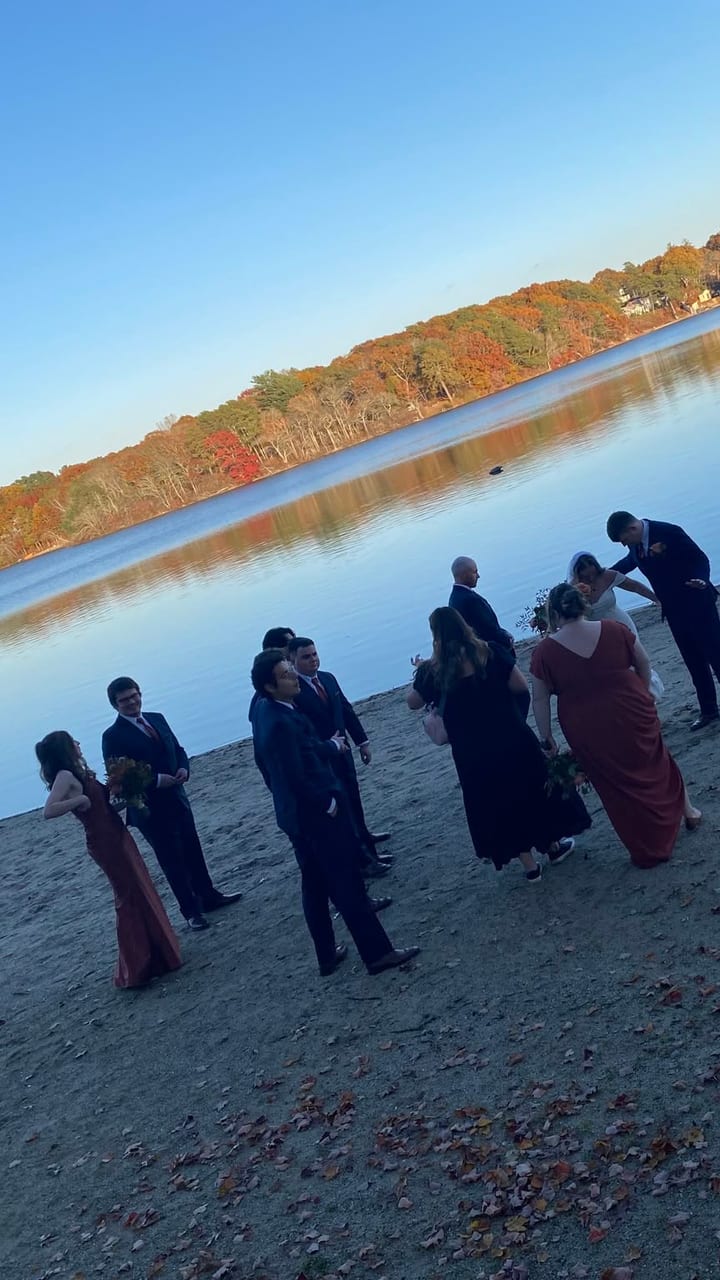
The First Look and Golden Hour
Whether to see each other before the ceremony, what those thirty minutes give back to the rest of the day, and where the light lands on your date on this coast.

The Unplugged Ceremony (and Phones for the Rest of the Night)
How to ask for phones away during the ceremony so it actually happens, and why I say let them back out for the reception.
The Wedding Ceremony
How long the ceremony should run, what goes in it, the personal touches that work, and how the music and the mics get cued so it runs like the one scene it is.
The Cocktail Hour
What your guests are doing while you take pictures, why an hour is the right length, and the touches that keep the room warm until the doors open.
The Grand Entrance
How the introductions actually run, who gets introduced, the twists that make it yours, and the one detail (the pronunciations) that makes or breaks it.
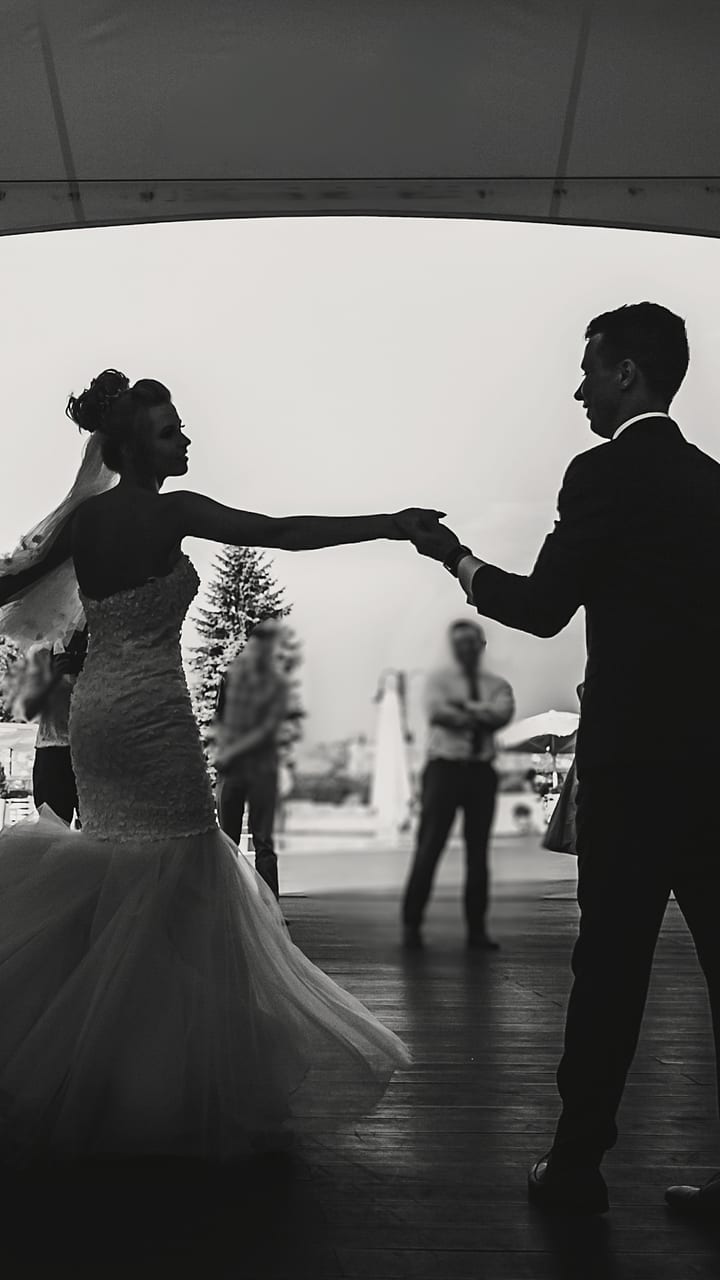
Special Dances
How long the first dance and the parent dances should run, where they go in the night, who you dance with, and how I cue them so the moment is the moment.
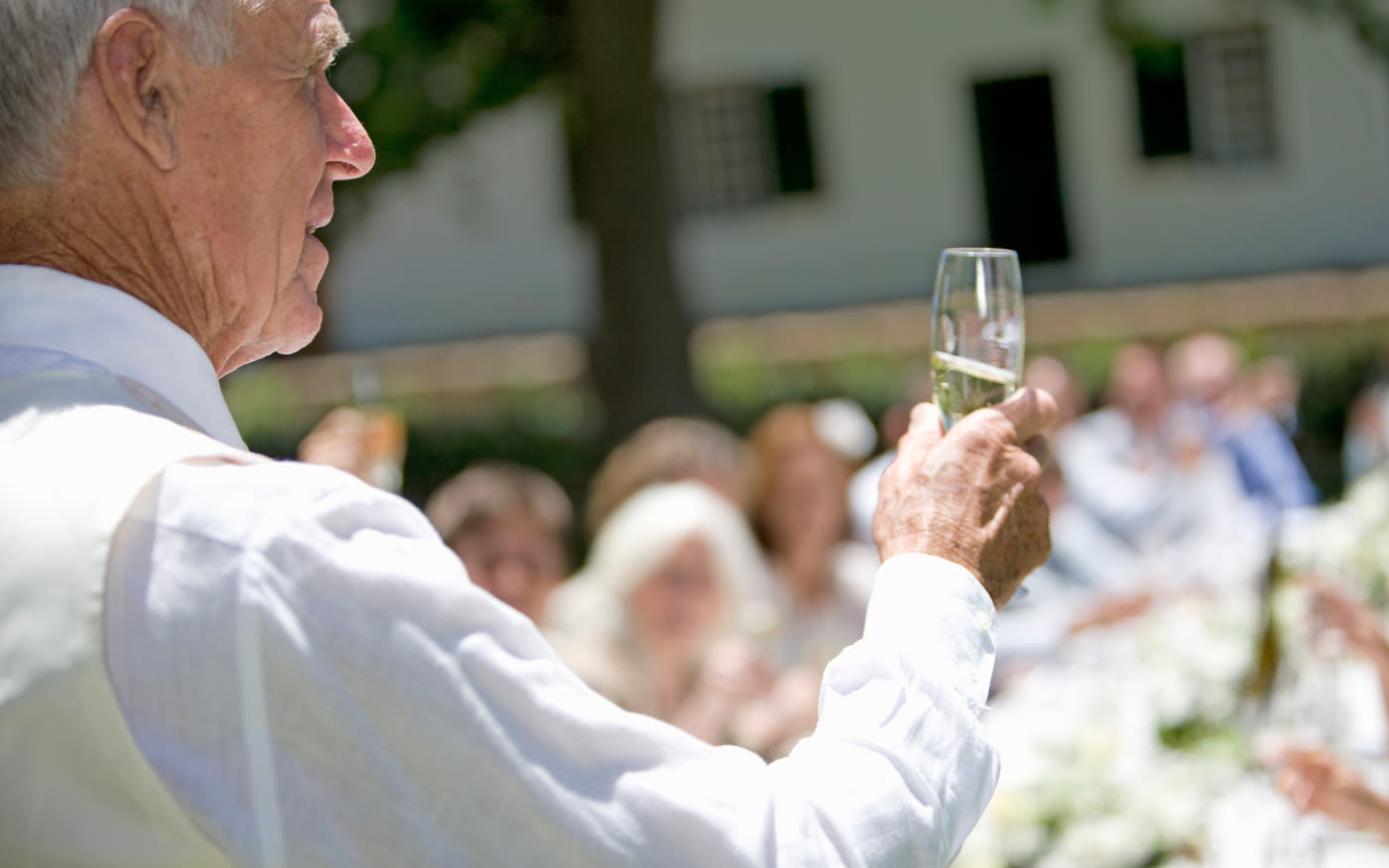
The Toasts
How many speakers, how long each one gets, where the toasts go in the night, and how to make sure nobody stands up unprepared.
The Meal
Dinner takes about an hour and it is not an intermission: how long each service style really runs, and how to keep the room alive while people eat.
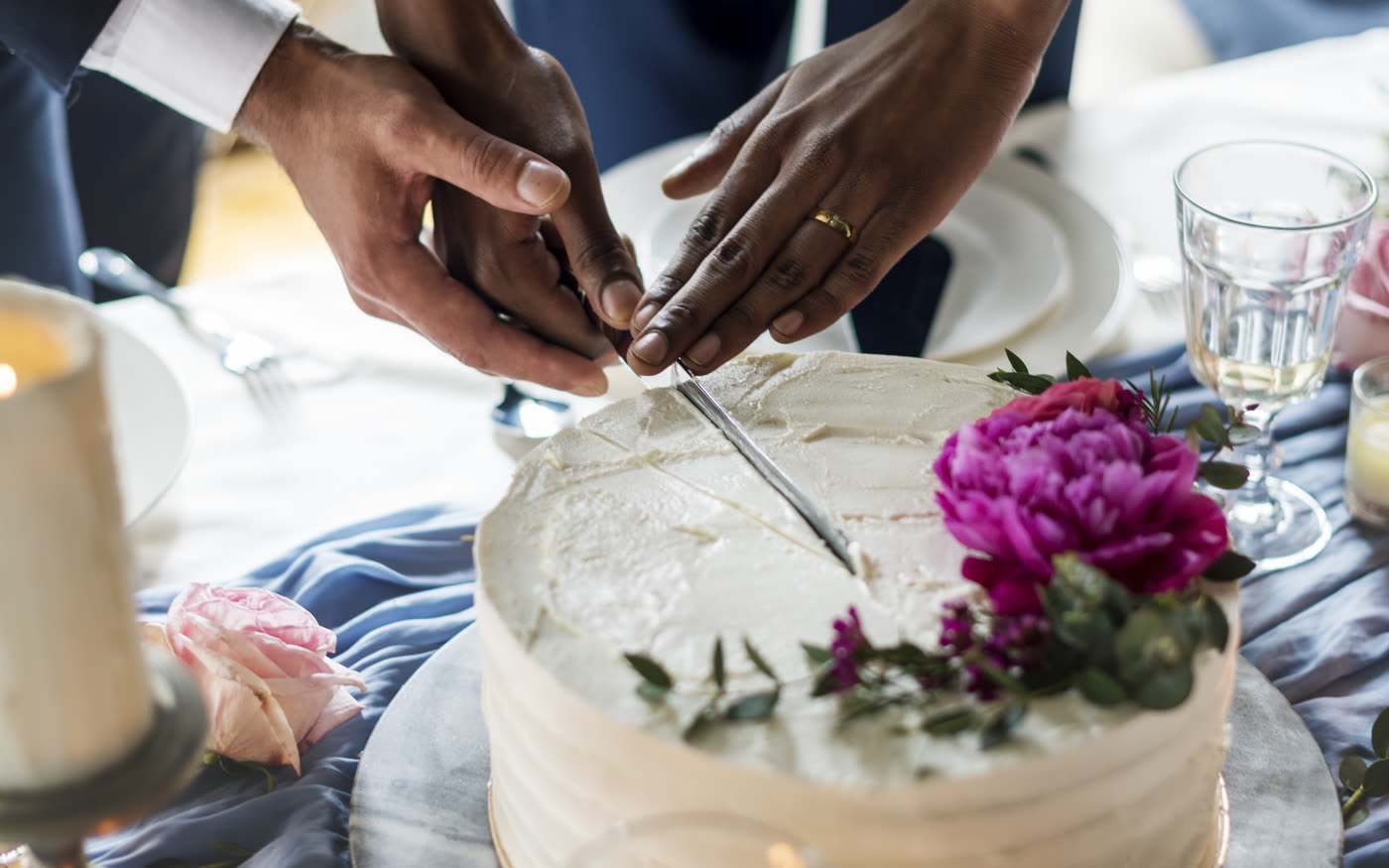
Cut The Cake
Cut it about a half hour after the last plate is cleared, give it five minutes, and know who is bringing the knife: when the cake goes, why, and what to do if you would rather not have one.
Money/Dollar Dance
Where the money dance comes from, how it runs in ten to fifteen minutes without an awkward second, and how to rename it or skip it if the money part is not you.
Bouquet/Garter Toss
Do a toss only if you want one: how the bouquet and garter toss actually run, the minutes each costs, and the alternatives, starting with the anniversary dance, that I reach for first.

Other Special Touches
The extras guests actually remember are the ones that let them connect with you and each other: a dozen that work, what each costs in minutes, and the rule for how many to keep.
The Last Dance
End on purpose: pick the last song before the day, put it five minutes before the music has to stop, keep one in your pocket for an encore, and choose the circle, the private dance, or both.
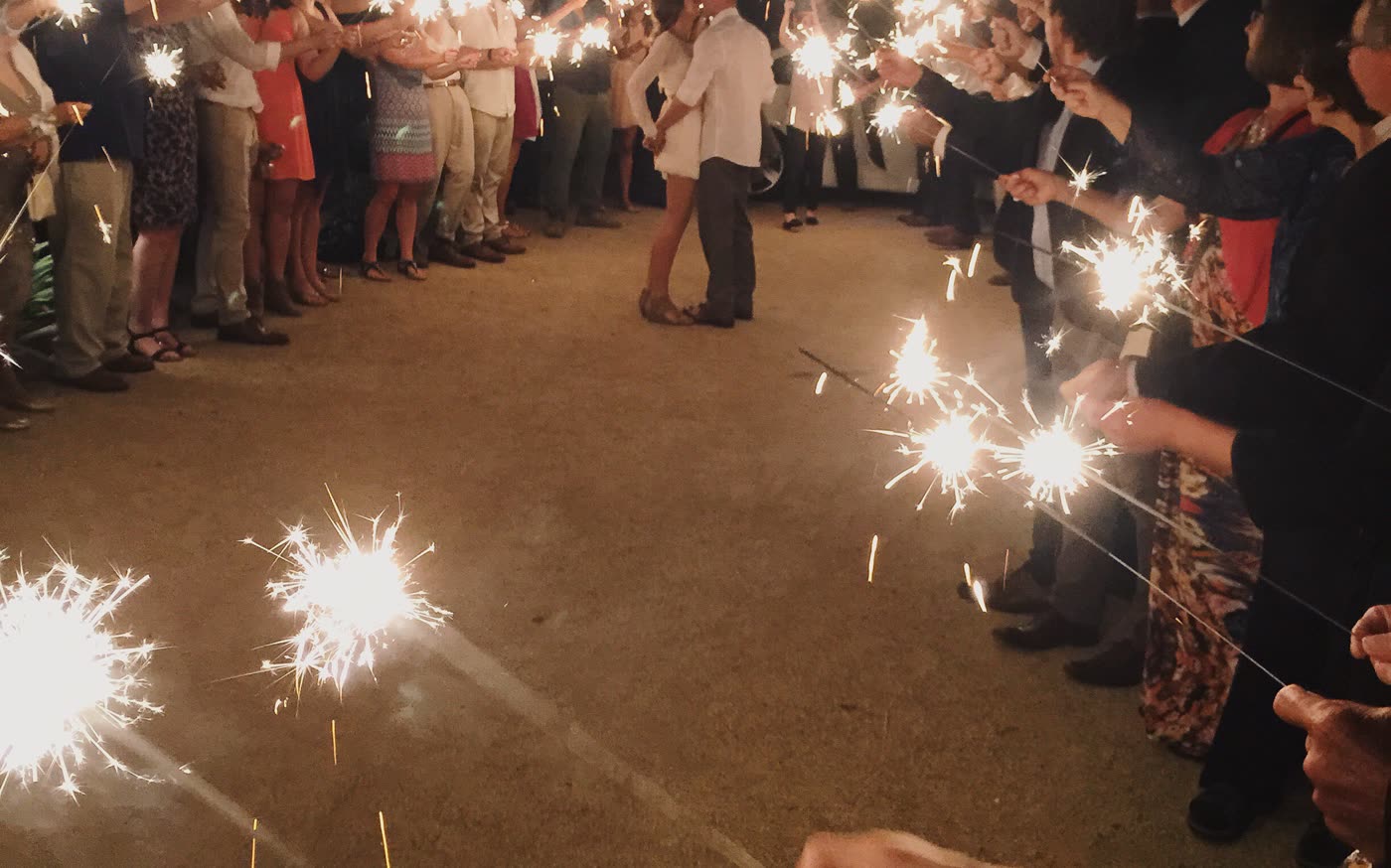
The Big Sendoff
Plan the last scene: the sendoff type, the ten minutes it takes, who lines the guests up, what your venue allows, and why sparklers are off the table in Massachusetts.
Worksheets that do the math.
Every tool runs right here in the page, saves to your phone, and prints to letter paper. No account, no email. If you'd rather have the budget worksheet, the team sheet, the run of show, and the DJ sheet as PDFs in your inbox, that's one short form away, and the tools stay free here either way.
Budget Priorities Worksheet
Decide what would be missed most, and let the split follow. Percentages first; dollars only if you type a total.
Open the toolWeek-Of Checklist and Packing List
The week-of confirmations, then everything that goes in the car: papers, rings, the boxes, the kit, the send-off supplies, the overnight bag. Check them off on your phone, or print the sheet and check them with a pen.
Open the toolChoosing Your Events
Keep it, skip it, or maybe, for every reception tradition, with what each one costs you in minutes and what to decide about it.
Open the toolVendor Interview Sheets
The questions I would ask a venue, a photographer, and a DJ or band, with room to write the answers while they are talking.
Open the toolThe DJ Sheet
Every cue and every song, from the prelude to the send-off, with pronunciations and the lists. Hand it to whoever runs your music.
Open the toolPlan B Card
Weather, delays, health, and life. Who decides, by when, what moves, and where it is written down. One page for the kit.
Open the toolRun of Show Builder
Type your ceremony time and the venue's hard stop. Get the whole night, timed the way I time it, and see exactly how much dance floor you are left with.
Open the toolSunset and Photo Window
Pick your date. Get sunset, golden hour, last light, and the time your ceremony should end for the photos you want, for a Massachusetts wedding.
Open the toolTeam Sheet
One page with every vendor's day-of contact, arrival, departure, meals, and who has to talk to whom. It goes in the kit and to every person on it.
Open the toolToast Planner
Who speaks, in what order, for how long, and who hands them the mic. Prints a card for each speaker.
Open the toolYour date, told straight.
Read the lessons, use the tools, and when you want to talk about your own day, tell me about it. If the date is open, you'll hear it from me.